Click on the images of the mammals to see their tracks.
Feral goat (Capra pirenaica). Here we can find it in rocky areas of the Magdalena area. It has curved horns and very resistant fur. It stands out for its agility in climbing rocks and cliffs. It is a protected species, and its sighting requires patience and discretion so as not to disturb its habitat.
Badger (Meles meles). Common in woodland and bushland areas. Characterized by its distinctive white facial stripe and dark, dense fur, the badger is a nocturnal animal known for its excellent burrowing abilities.
Genet(Genetta genetta). Found in dense brush habitats. With its distinctive spotted fur and long tail, it is known for its ability to climb trees with agility and hunt small rodents and birds. It is a nocturnal species and difficult to observe.
Fox (Vulpes vulpes). It is known for its cunning and sharpness, easily adapting to different environments. Recognized by its reddish fur and fluffy tail, it is a skilled nocturnal hunter that feeds on small mammals, birds and fruits.
Amphibians and Reptiles
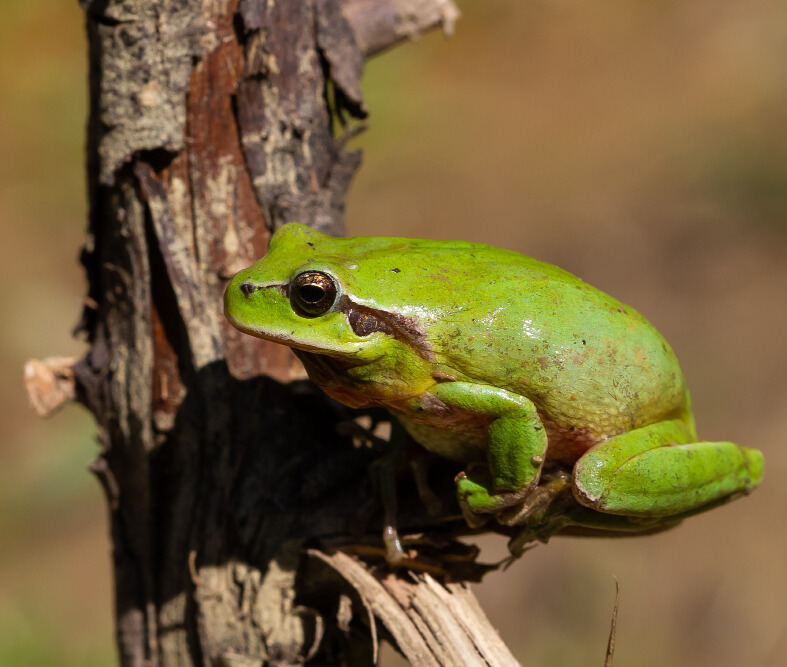
Mediterranean tree frog(Hyla meridionalis). It lives in humid areas and is very easy to observe near the lagoon. With its distinctive bright green colour and adhesive discs on its toes, this small frog is an excellent climber. Active mainly at night, its song is a frequent melody on warm nights.
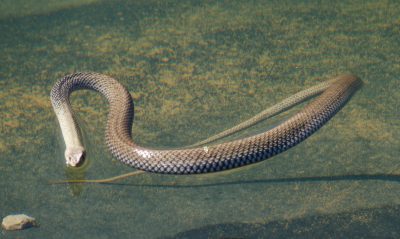
Montpellier snake (Malpolon monspessulanus). It stands out for its variable colouration which ranges from green to brown tones. It is an agile hunter that feeds on small mammals, birds and reptiles. Its presence in the environment is vital for ecological balance. We can find it in rocky areas sunbathing in the mornings.
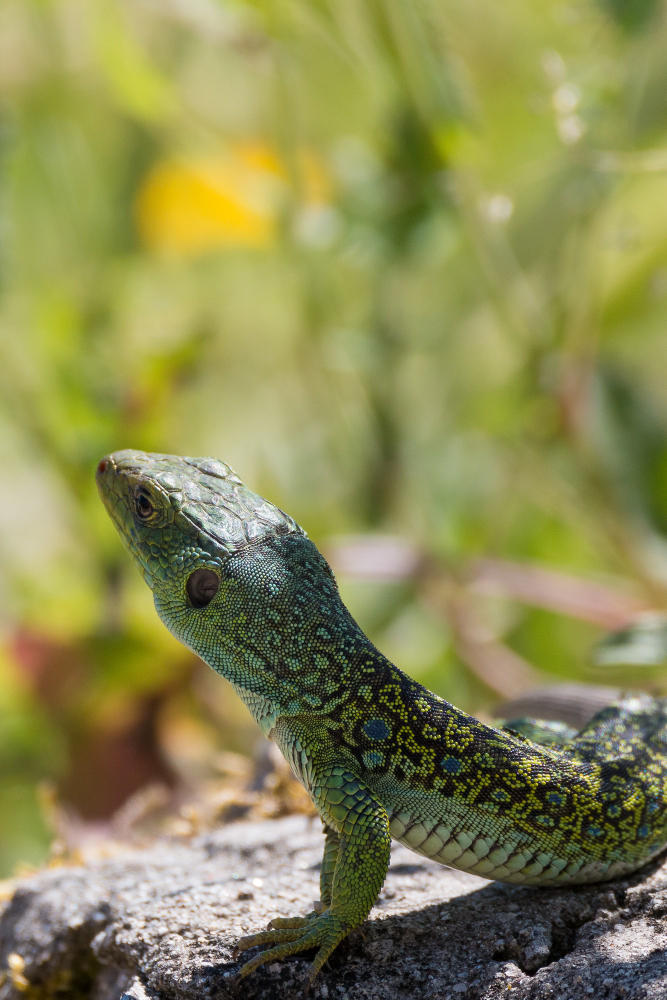
Ocellated lizard(Timon lepidus). It is possible to observe it in sunny areas of the low vegetation pine forest with rocky and sandy soils. Recognized for its impressive size and colourful blue spot pattern, the ocellated lizard is the largest reptile in Europe. Active during the day, it is common to see it sunbathing or looking for insects and small vertebrates to feed on.
Birds
Click on the images of the birds to listen to their calls.
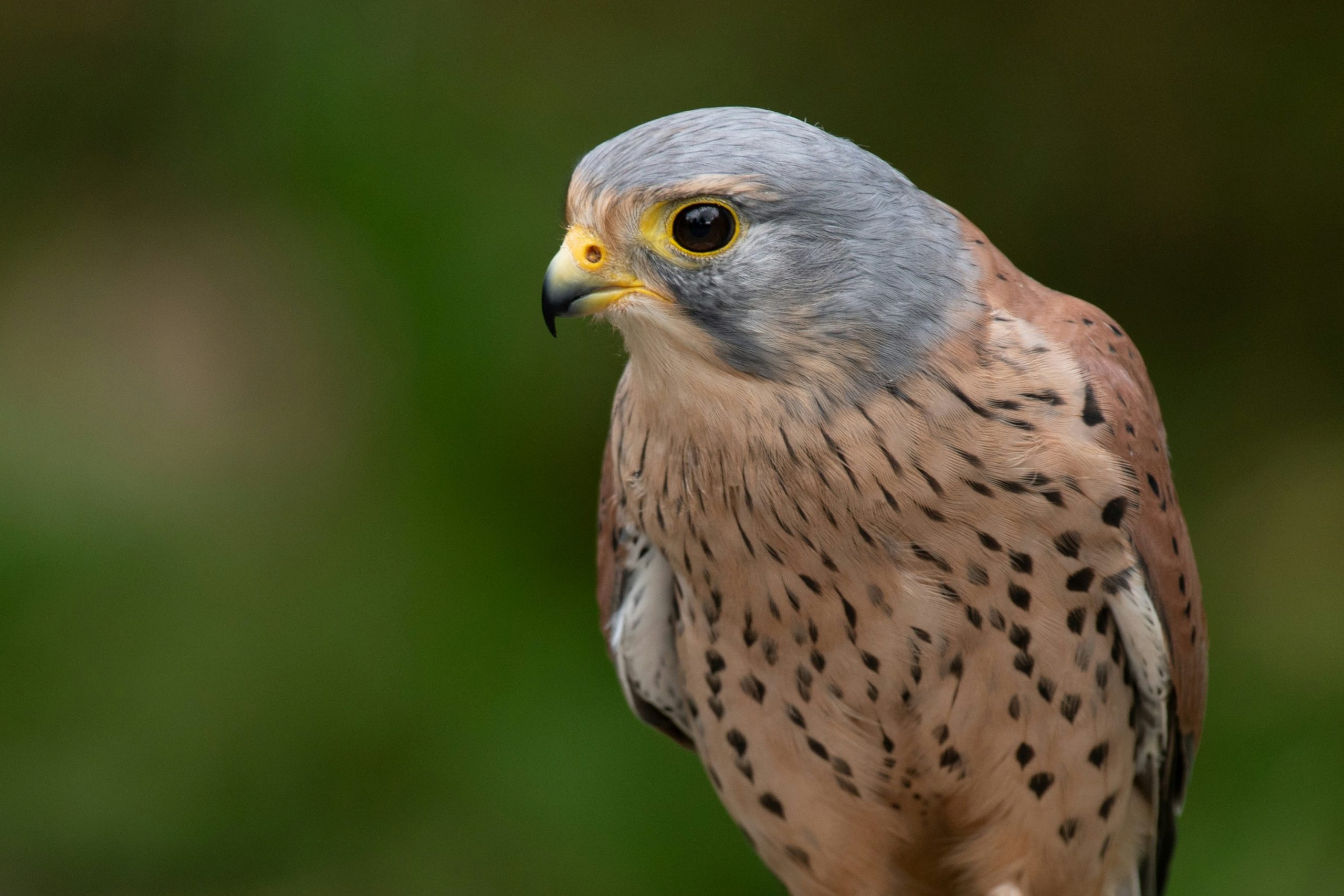
Common and lesser kestrels(Falco tinnunculus/naumanni) can be found in open, cultivated areas near the convent. Both are small falcons known for their ability to hover in the air while searching for prey. The lesser kestrel, with its paler plumage and colonial habits, is distinguished from the common kestrel, which has reddish plumage and is more solitary. These magnificent diurnal hunters feed mainly on insects and small rodents.
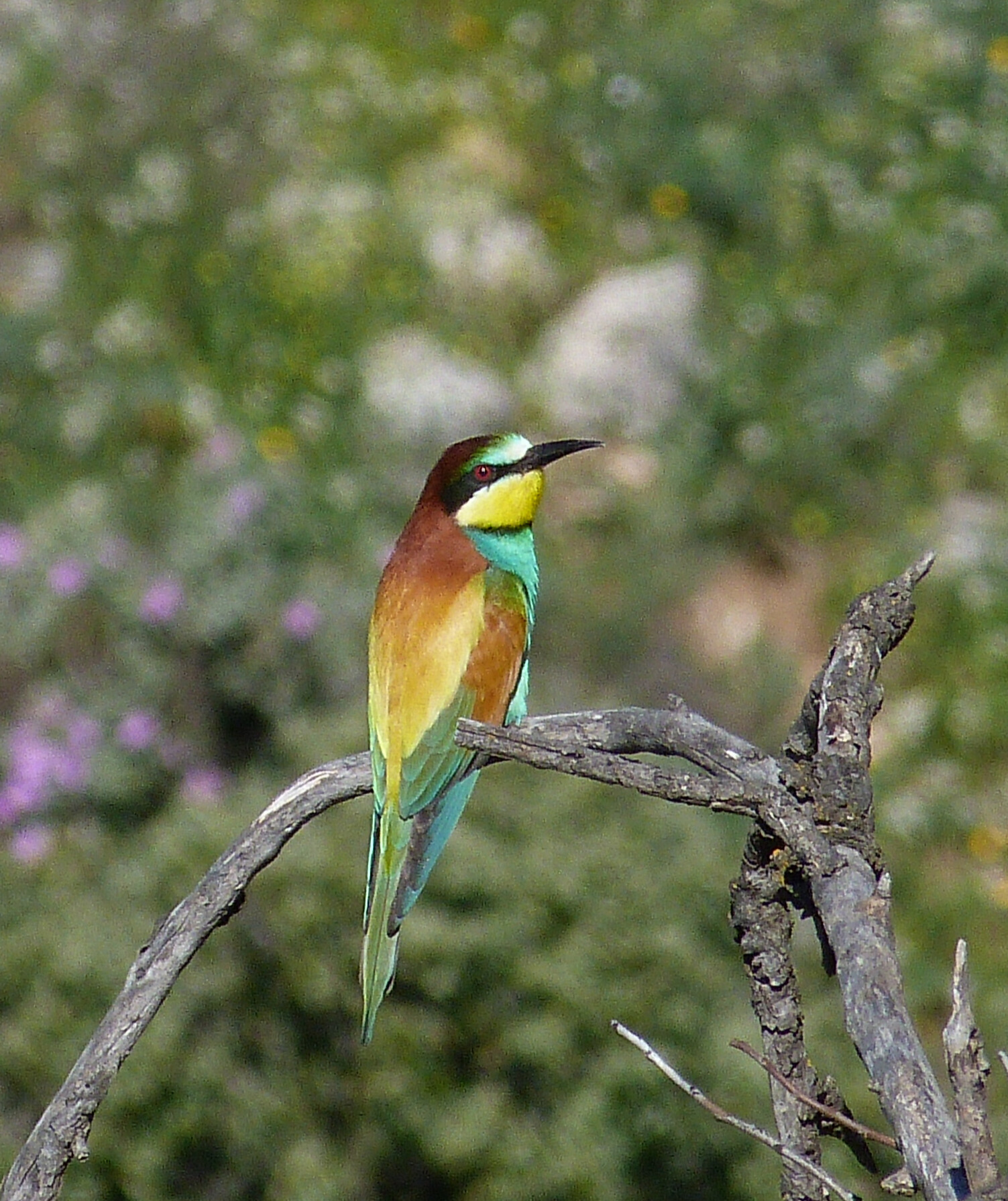
Bee-eater(Merops apiaster), easy to observe on all trails, stands out for its vibrant plumage of green, blue and yellow colors. Known for its prowess in capturing bees and other insects in flight, it is a migratory species seen primarily during spring and summer.
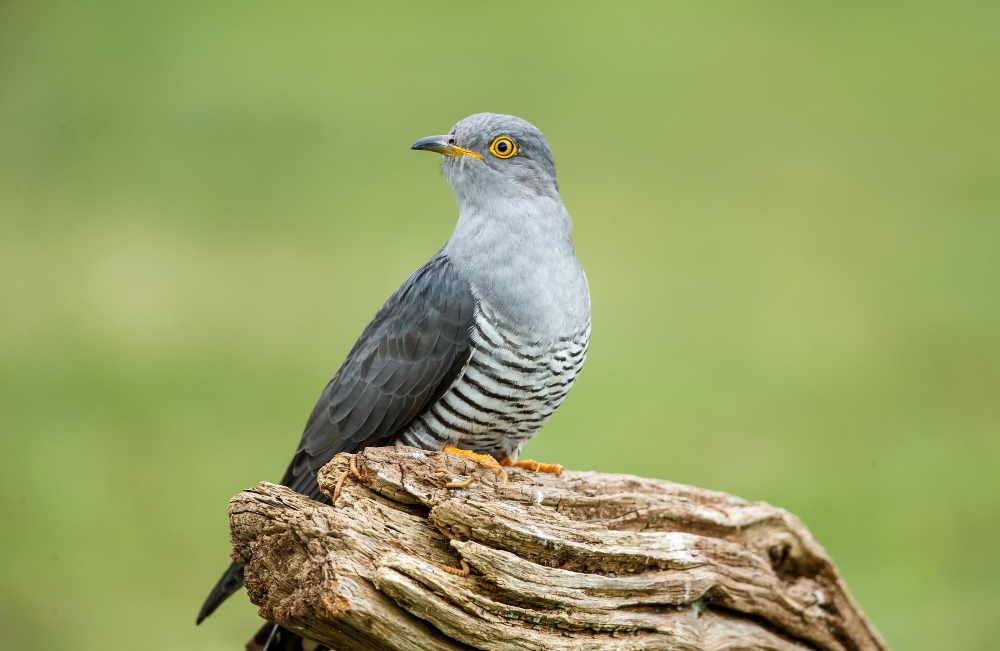
Cuckoo(Cuculus canorus). Is a common sight in wooded and scrubland areas, especially during spring and summer. Known for its characteristic song that announces the arrival of spring, the cuckoo is a migratory bird distinguished by its grey and white plumage. A fascinating feature is that it deposits its eggs in the nests of other birds so that they can incubate and raise them.
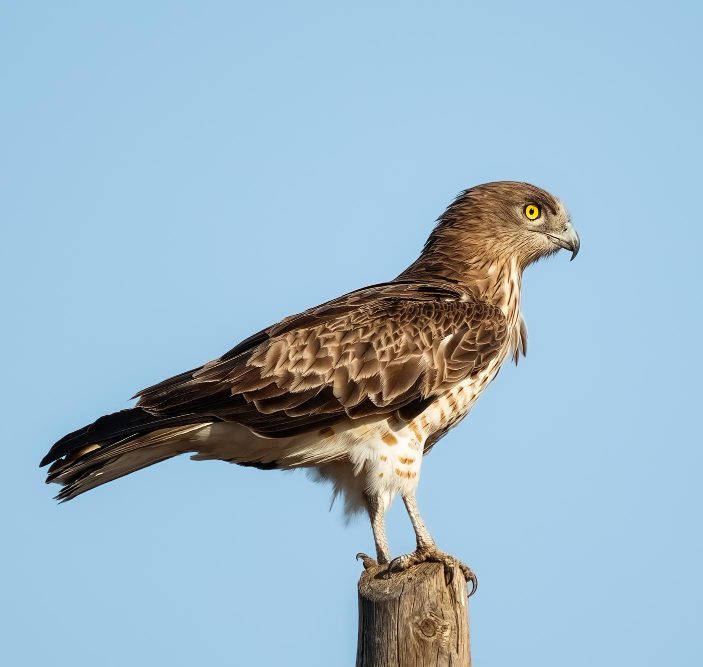
Short-toed Eagle(Circaetus gallicus). It can be spotted soaring over open areas in search of its prey, which it detects from great heights thanks to its sharp vision. Characterized by its large wingspan and white and brown plumage, it is specialized in hunting snakes and other reptiles.
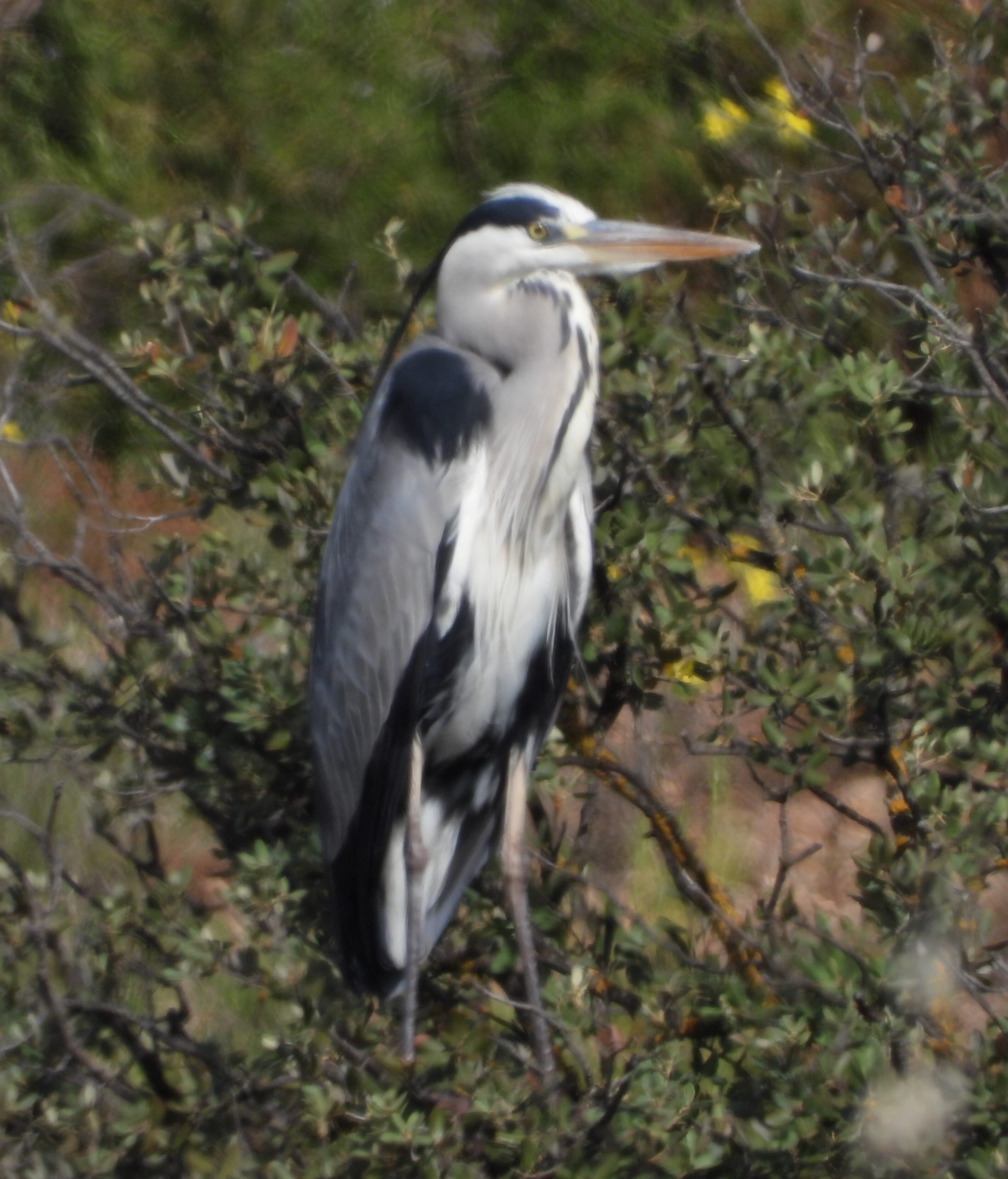
Grey Heron (Ardea cinerea). It can be observed in wetlands, especially around the lagoon. With its elegant figure, grey plumage, and long neck, it is an expert fisher that feeds on fish, amphibians, and small invertebrates. It is commonly seen standing still, patiently waiting for its prey.
European Scops Owl (Athene noctua). Small in size, with striking yellow eyes and mottled brown plumage, the Eurasian Scops Owl is an expert nocturnal hunter. During the day, it often perches on branches or rocks, keeping watch over its territory with its unmistakable gaze.
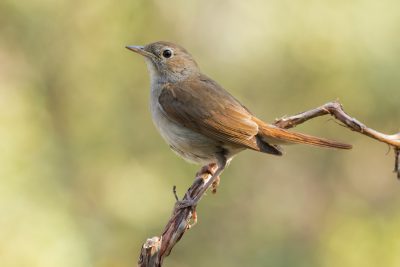
Common Nightingale(Luscinia megarhynchos golzi). You can hear it in dense thickets. It has modest brown-toned plumage but stands out for its melodious and powerful song. It prefers to remain hidden among the vegetation, but its unmistakable voice fills the surroundings, especially at dawn and dusk.
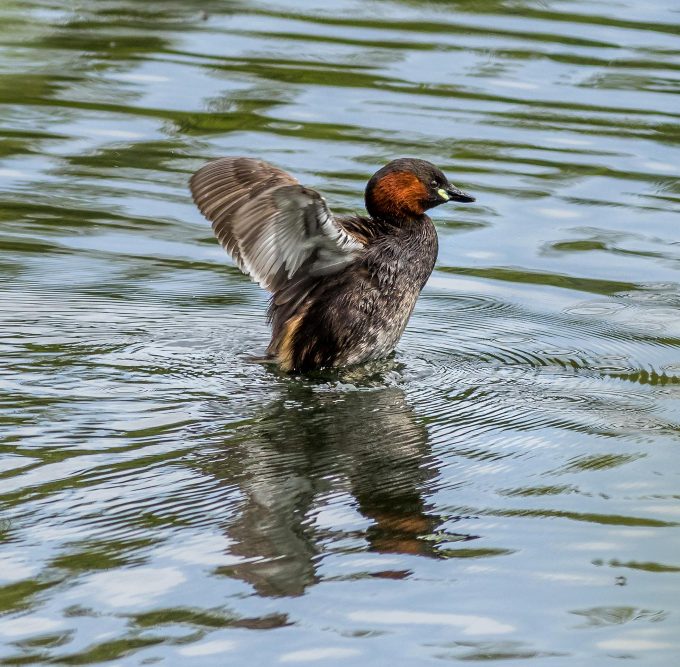
Little Grebe(Tachybaptus ruficollis). You can spot them here in the lagoon. Small in size, with dark brown plumage and a short neck, this agile diver feeds on fish, insects, and crustaceans. They glide peacefully across the surface, disappearing in quick dives.
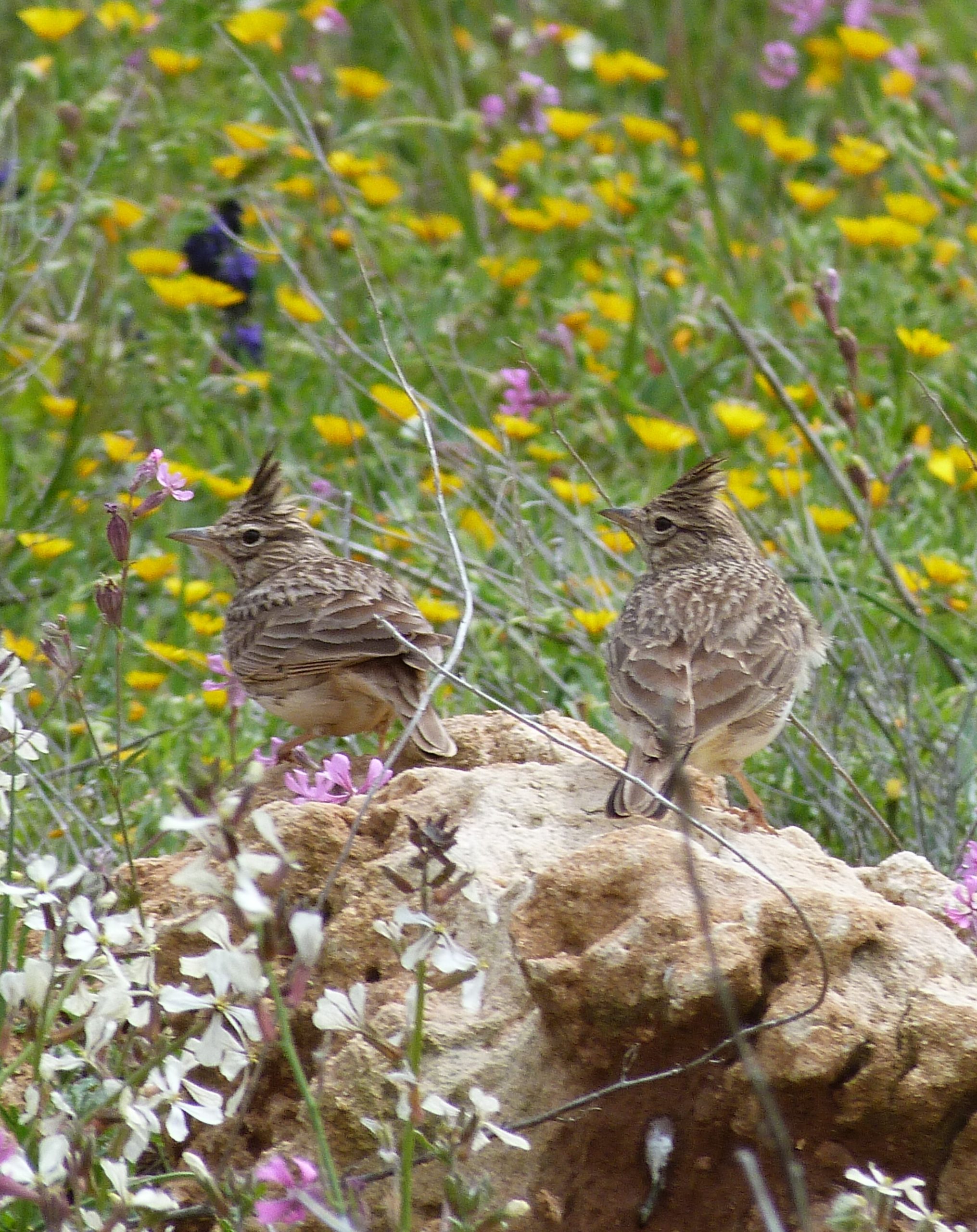
Thekla’s Lark (Galerida theklae). It is easy to spot them in open fields and grasslands. They have brown plumage with reddish tones and a distinctive crest. They feed on insects and seeds. They often perch on the ground or on small shrubs, where they sing their melodious and repetitive trill.
Insects
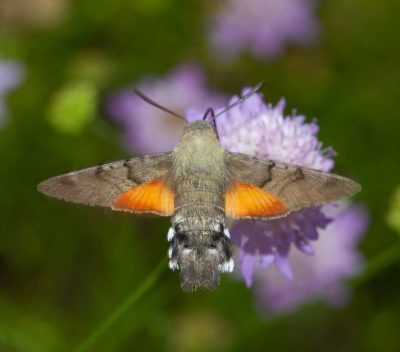
Hummingbird Hawk-moth(Macroglossum stellatarum). It can easily be spotted along the Magdalena area, especially on spring mornings. Notable for its rapid wingbeats, it appears to hover in the air while feeding on flower nectar. This moth resembles a hummingbird in both appearance and behaviour.
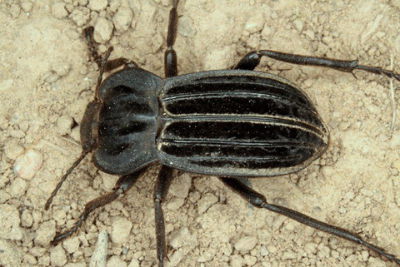
Alfasida holosericea This beetle is primarily found in scrubland and sandy soils. Characterized by its robust body covered in fine hairs, it is known for its adaptability to dry environments. It is a diurnal insect that feeds on plant matter and detritus, playing a crucial role in decomposition and nutrient recycling in the soil.
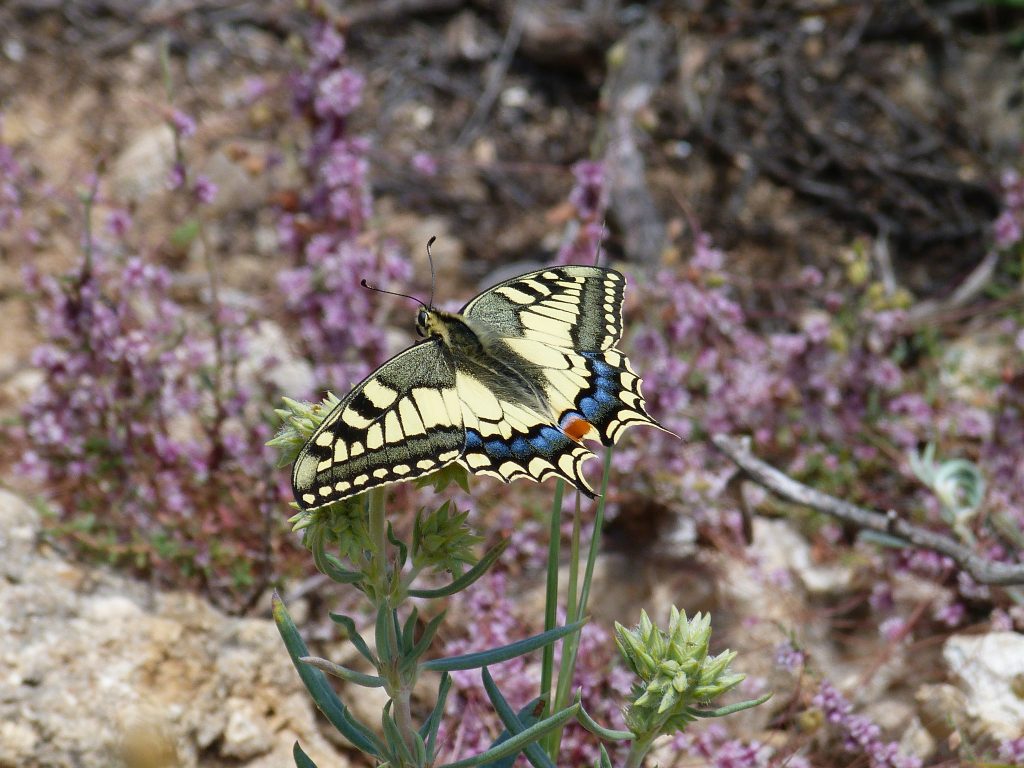
Swallowtail Butterfly (Papilio machaon). This butterfly is easily seen in open, sunny areas fluttering in search of nectar from wildflowers, especially in the meadows. Its yellow wings with black stripes and blue and red spots make it one of the largest and most striking butterflies in the area.
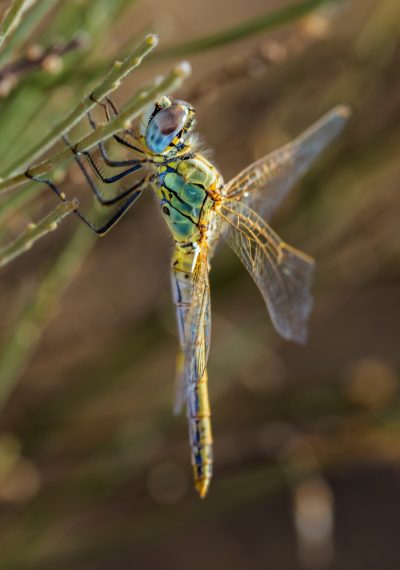
Emperor Dragonfly (Anax imperator). With its impressive size and striking blue and green abdomen, it is known for its agile and fast flight, as well as its ability to catch insects while in the air. It is commonly seen around the lagoon when temperatures rise.
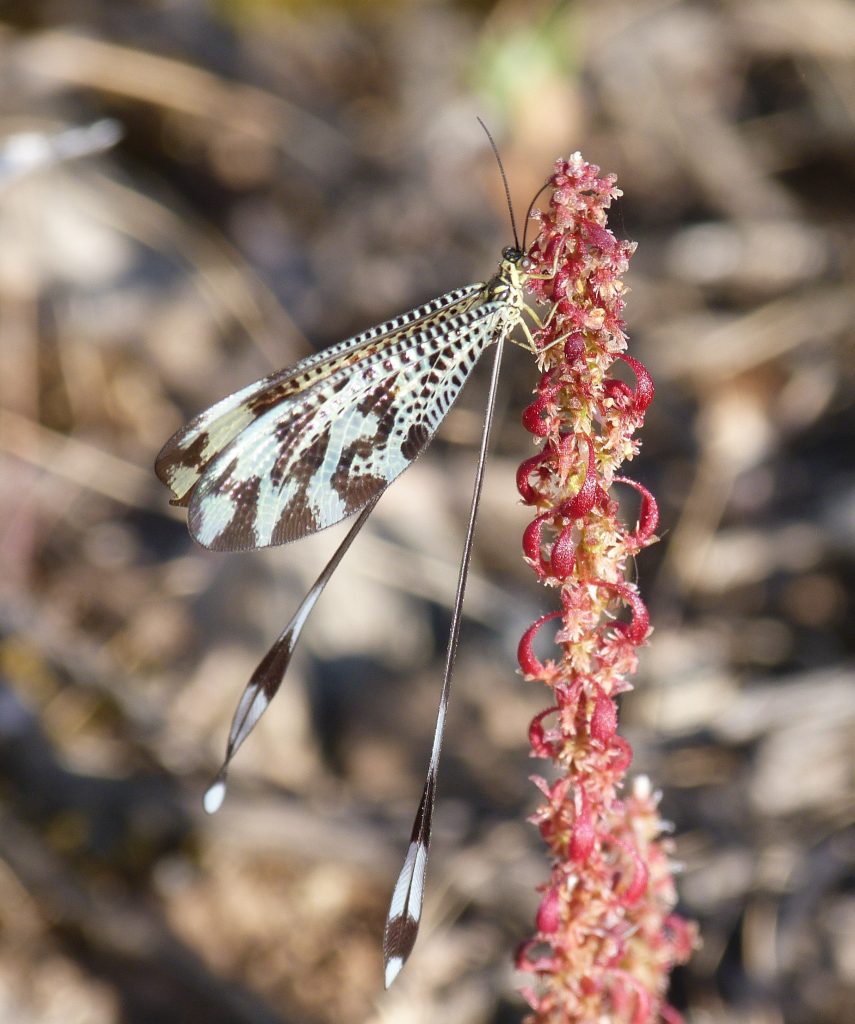
Ribbon-winged Lacewing (Nemoptera bipennis). This unique species inhabits sunny rosemary and thyme scrublands. It only lives for two weeks during May and June. Active during the early hours of the day, it feeds on nectar and pollen from various wildflowers, contributing to the pollination of the area where it lives.
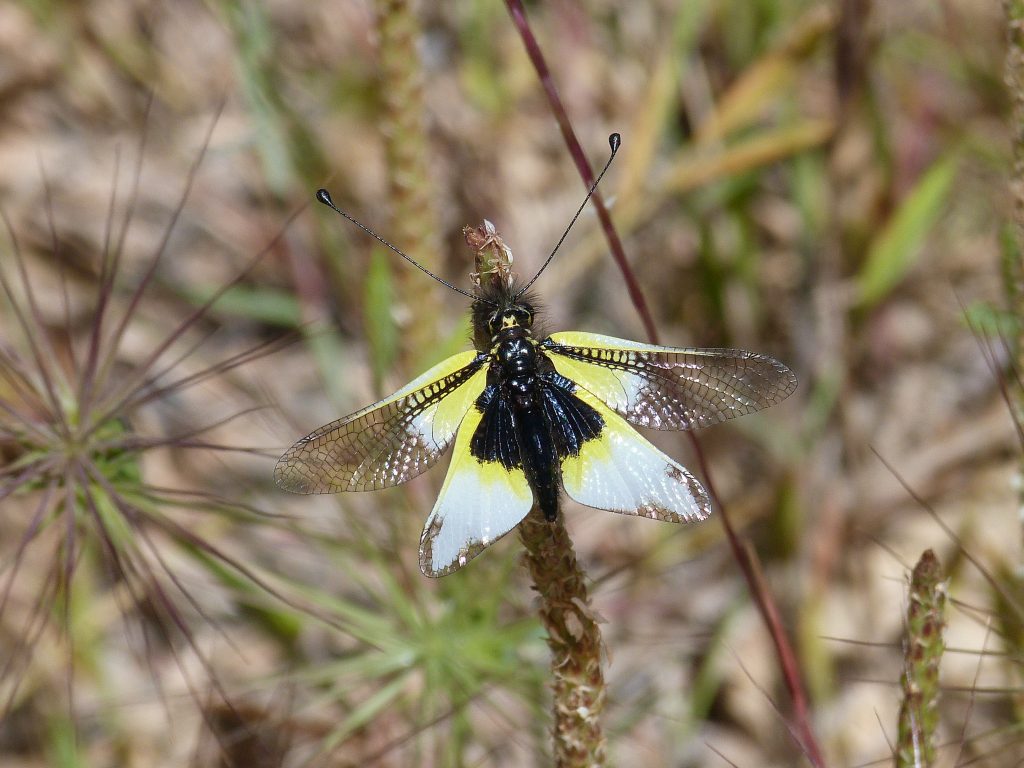
Owlfly (Libelloides baeticus). With its transparent wings and distinctive pattern of black and yellow spots, this insect can be observed in the early hours of the day during the warm spring and summer months. It feeds on small insects it catches in the air, playing an important role in pest control.
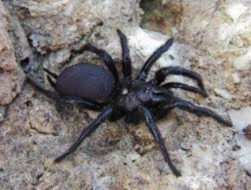
Trapdoor Spider (Macrothele calpeiana). This large spider, with long and robust legs, is endemic to the southern Iberian Peninsula. Its large, tubular ground webs are easy to spot in this region, where it patiently waits for its prey, which includes insects and other arthropods.
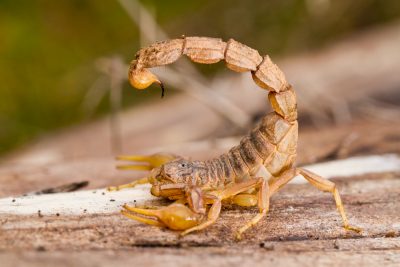
Scorpion (Buthus). This scorpion is characteristic of the Mediterranean and is easily recognized by its light-yellow body and segmented, arched tail. It inhabits arid and rocky terrain, particularly near Trail 1. It is nocturnal and feeds on insects. While its sting is not a serious threat to humans, it can cause intense pain.